Our full stack web development course in Houston is built around one idea: you learn to build software by building software. Over the course you write a front end in React, a back end in Laravel, a relational database in MySQL, and you put all of it on a real server. Every week ends with working code in your own Git repository, reviewed by an engineer who does this job every day.
The people who teach the course are the same engineers who build and run our own products, Distrohawk, CornerHawk and CleanerHawk. That matters because they teach what a production team actually does: reading requirements, splitting work into tickets, writing tests, handling bad data, and fixing bugs after launch. You can join in person in Houston, attend live online from anywhere in Texas or beyond, or book the course as private training for your company team.
How we teach full stack web development
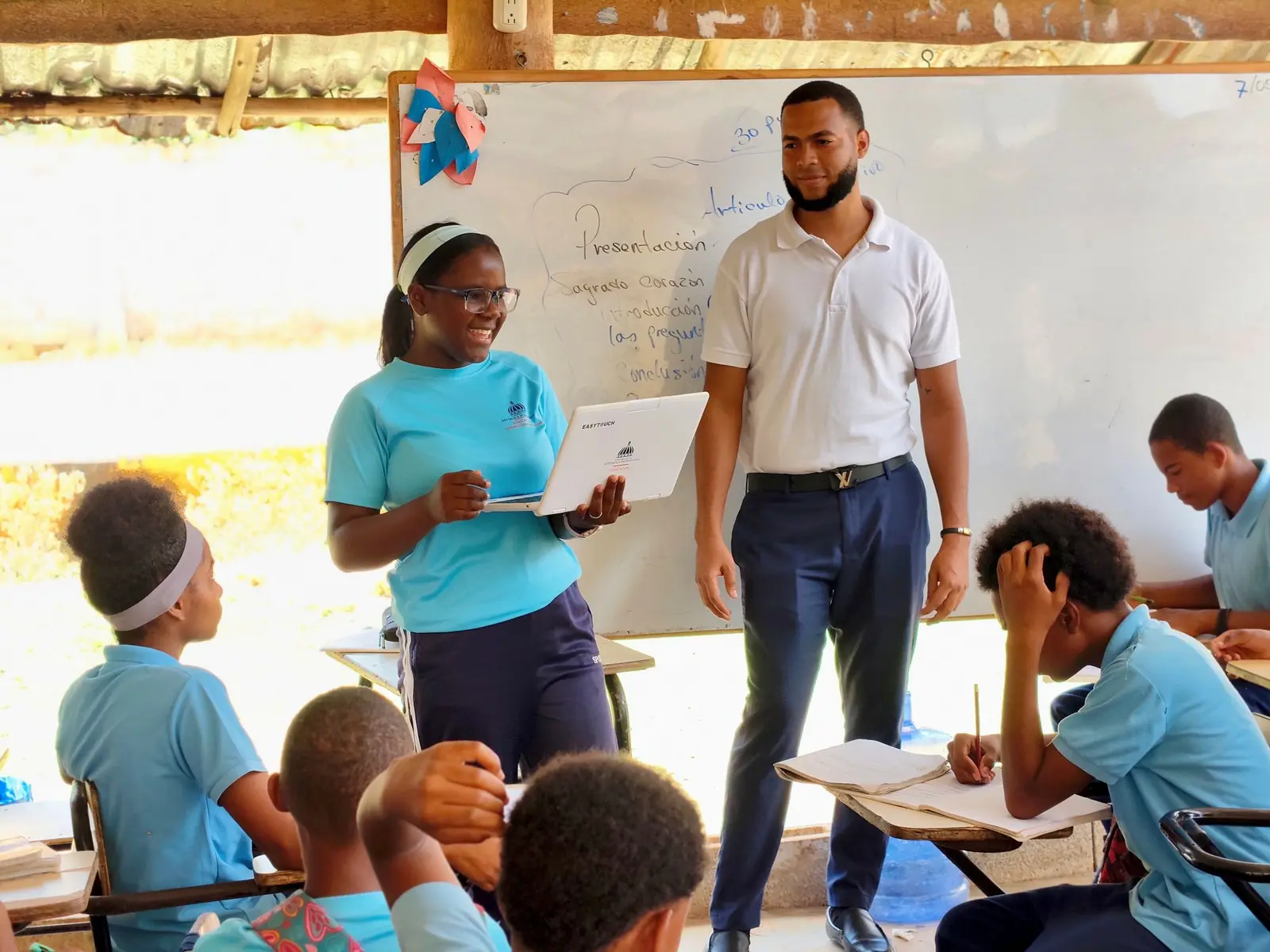
Each session follows the same rhythm: a short explanation, a live coding demo, then hands-on work while an instructor moves between students. We keep lectures short because most learning happens when you type the code, break it and fix it yourself. You get a weekly exercise that builds on the last one, so by the time you reach the capstone the pieces already fit together.
Our instructors are working engineers, not full-time lecturers. They build features, review pull requests and handle support issues on our own SaaS products. When they explain why a query needs an index or why an API returns a 422, they are describing something they dealt with recently. You get practical answers to practical questions.
- Short lectures, long hands-on blocks
- Live coding with explanations of each decision
- Weekly exercises that build toward the capstone
- Questions answered during class and in a shared chat
Projects you build in this full stack course
You build a series of small projects first: a responsive landing page, a JavaScript to-do app with local storage, a React product catalog that reads from an API, and a Laravel API with authentication. These are deliberately simple so you can focus on one new idea at a time.
The capstone is a realistic business application. Typical choices include an ordering portal where customers browse products and place orders, a booking system for a service business, or an inventory tracker with stock alerts and reports. These are the same kinds of problems we solve in Distrohawk and CornerHawk, scaled down to fit the course. You write the spec, build it in milestones, go through code review, and deploy it to a live server. At the end you present a short walkthrough explaining your architecture and trade-offs.
Schedule and time commitment
The course runs part-time so you can keep working while you learn. Cohorts typically meet on weekday evenings or on weekends, with the exact schedule confirmed before each cohort starts. Sessions are held in person in Houston and streamed live for online students, who can ask questions and share their screens the same way as people in the room.
Plan for practice time outside class. Most students need several hours a week on exercises and project work, and more during the capstone. If you miss a session, the recording and the code from the demo are available so you can catch up before the next class. If your work schedule changes partway through, talk to us; we try to find a sensible option rather than leave you stuck. We also share a suggested weekly study plan.
Portfolio and career support, honestly
We do not promise jobs, placement or salaries, and you should be wary of any course that does. Hiring depends on the market, your background, your location and how much you practice. What we can do is help you leave with work you can show and talk about clearly.
That means a reviewed capstone, a tidy GitHub profile, and feedback on how you describe your projects on a resume and LinkedIn. Instructors run practice technical conversations where you explain your code and answer the kinds of questions a hiring team might ask. When you finish the course and complete the capstone, you receive a certificate of completion from Hawkonix. It shows you completed our program; it is not an accredited qualification, and we say so plainly.
- Portfolio and GitHub review
- Resume and LinkedIn feedback on project descriptions
- Practice technical walkthroughs
- Certificate of completion from Hawkonix
Private full stack training for company teams
If you manage a development or IT team, we can run this course privately for your staff. Corporate training can be held at your office in the Houston area, at our location, or live online for distributed teams. We adjust the modules to your stack and goals, for example spending more time on Laravel APIs and testing if your team maintains a PHP product, or on React if you are rebuilding a front end.
Private cohorts can use examples drawn from your own domain, so the exercises look like your real work. We agree on the scope, schedule and format with you before the course starts, and fees are quoted on request based on team size, duration and how much the content is customized. Contact us to talk through what your team needs.