
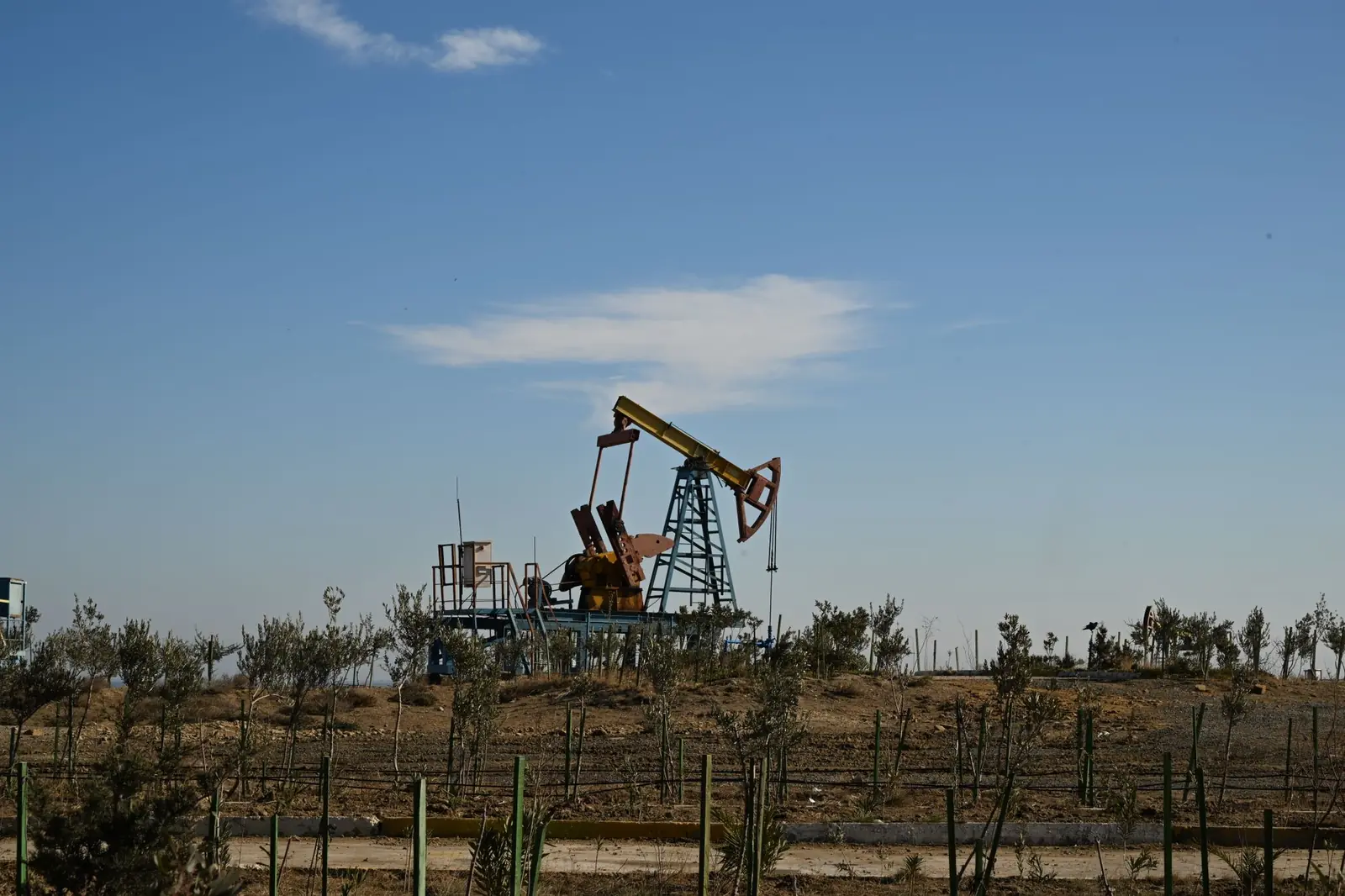
Houston is widely known as the energy capital of the world, and the industry here still runs a surprising amount of field work on paper, spreadsheets and photos sent by text. Inspection forms are filled in a truck and typed up later. Tickets for field work reach billing days after the job. Asset histories live in folders. Oil and gas software development brings that field data into systems the office can trust.
Hawkonix is a software company based in Houston, Texas. We build field service apps, asset and inspection tracking, work order and ticketing systems, and operations dashboards for upstream, midstream and oilfield service businesses. We focus on the practical layer between the field and the back office rather than replacing large enterprise platforms. Below we cover the field problems we see and what we build for them.
Field problems energy companies deal with
Field locations often have weak or no cellular coverage. Crews work in heat, rain and gloves. Paper forms get wet, lost or filled out after the fact. When an inspection is recorded on paper, the office cannot see a failed check until someone types it in, and auditors find gaps in records that were supposed to exist.
Oilfield service companies have a cash flow version of the same problem. Field tickets with hours, equipment, materials and customer signatures arrive late or incomplete, so invoices go out late and get disputed. Asset managers struggle to track where equipment is, its maintenance history and when certifications expire. Leadership wants one picture of activity, safety and cost across sites, assembled without a week of spreadsheet work.
- Paper inspections and tickets entered days later
- Little or no connectivity at remote sites
- Equipment locations and maintenance histories hard to trace
- Disputed invoices from incomplete field tickets
Field service and inspection apps that work offline
We build mobile apps for field crews that run fully offline on phones and rugged tablets. Forms are built for the job: inspections, JSAs and safety checklists, daily reports, field tickets and work orders. Crews capture photos, GPS location, timestamps and signatures, and the app stores everything locally until it can sync.
Conditional logic keeps forms short, so a failed check triggers follow-up questions and a corrective action instead of a free-text note. Large buttons, high-contrast screens and minimal typing matter in direct sun with gloves on. When a device reconnects, data syncs with conflict handling, so two crews editing the same asset record do not overwrite each other. Customer sign-off on a field ticket happens on site, which shortens the path to invoicing. Crews get the same app across every site and job type.
Asset and inspection tracking
Asset tracking starts with a reliable record per asset: wells, pumps, compressors, tanks, trailers, tools and rental equipment. Each gets an ID, usually a QR code or barcode tag, so a crew scans it to pull up history, open work orders and the right inspection form.
From there we build maintenance schedules based on time or run hours, certification and calibration expiry alerts, and full histories with photos. Inspection records are stored with who did the work, when and where, which supports internal audits and the documentation your regulators and customers expect. We do not claim regulatory compliance for you, but we design records to be complete, timestamped and hard to alter after submission, with an audit trail of every change. Supervisors can review submitted inspections from the office the same day. Assets can also be grouped by site or lease, so moving a pump updates its location record.
Operations dashboards and integrations
Once field data is digital, dashboards become useful. We build views for open work orders, inspection completion, overdue maintenance, safety observations, equipment utilization and ticket-to-invoice time, filtered by site, crew, customer or region. Managers can see where to act without waiting for a weekly report.
Energy companies already run ERP, accounting, SCADA historians and other specialized systems. Our backend and API team builds integrations that pull readings or push approved tickets into those systems, with clear rules for which system is the source of truth. Our cloud and DevOps work covers hosting, backups, access controls and monitoring. Where operational technology is involved, we keep business apps separated from control networks and read data through approved interfaces rather than connecting to control systems directly. Dashboards run on standard browsers and tablets.
AI, document handling and marketing for energy firms
Energy work produces documents: tickets, permits, inspection reports, invoices and vendor certificates. AI integration can extract fields from those documents, flag missing information and help staff search large archives in plain language. We keep people in the loop for approvals and safety-related decisions.
On the marketing side, oilfield service and energy contractors win work through relationships and prequalification, but buyers still check websites before calls. We build clear service and capability pages, improve SEO for specialized services by basin and region, and create recruiting pages for field roles. Content stays specific and technical, because energy buyers dismiss vague claims quickly. For contractors that bid on work, we can also build simple prequalification and safety document pages. Recruiting content includes shift patterns, locations and certifications needed, since field candidates ask about those first.